



Creativity is often treated like a rare trait reserved for a few visionary thinkers. In reality, it is a discipline. With the right structure, constraints, and collaboration model, teams can consistently produce thoughtful, high-impact solutions. The challenge is not whether creativity exists within your organization. The challenge is creating the conditions for it to surface, align with business goals, and translate into measurable outcomes.
For digital product teams navigating complexity, shifting priorities, and pressure to move quickly, modern design sprints provide that structure. A well-run sprint does more than generate ideas. It aligns cross-functional stakeholders, validates assumptions early, and reduces the risk of investing in the wrong direction. When done right, it becomes a strategic tool that connects business objectives, user needs, and technical feasibility from day one.
At UpTop, we position design sprints not as isolated workshops, but as focused acceleration points within a broader product optimization strategy. They help organizations clarify what to build, why it matters, and how to move forward with confidence.
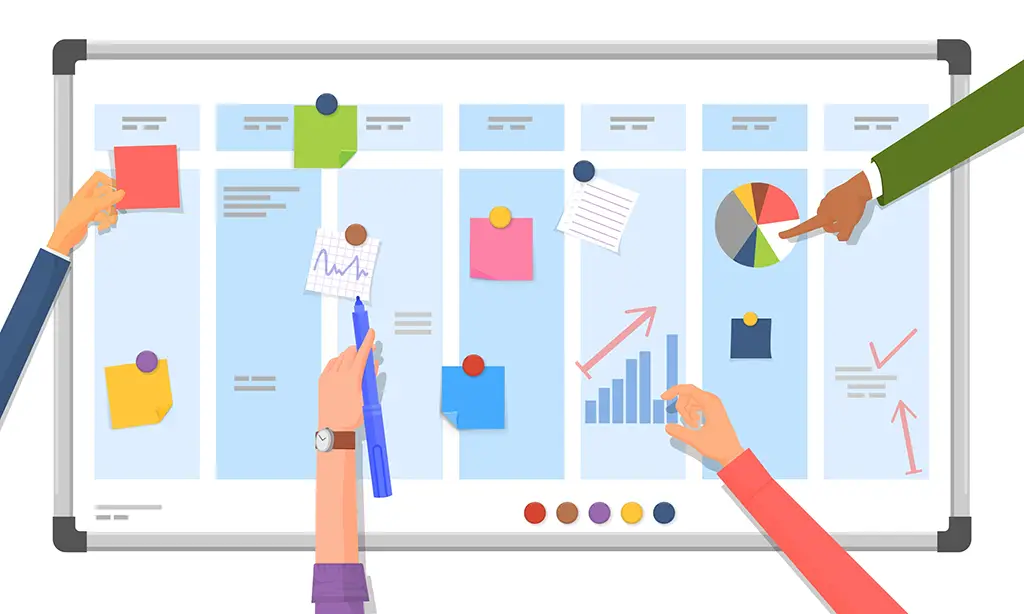
What Is a Modern Design Sprint?
A design sprint is a structured, time-boxed process that compresses months of debate, planning, and prototyping into a focused period of collaboration. Traditionally structured as a five-day workshop, modern sprints are often adapted to fit team schedules, distributed environments, and specific business objectives.
The purpose remains consistent: reduce uncertainty through rapid exploration, prototyping, and user validation. Instead of relying on internal opinions or extended development cycles, teams test assumptions early and make informed decisions backed by real feedback.
In today’s environment, where digital experiences directly impact growth, retention, and operational efficiency, this speed-to-validation is not a luxury. It is a competitive advantage.
The Five Core Phases of a Design Sprint
While formats may vary, most successful sprints follow five essential phases.
1. Understand
The sprint begins with clarity. Teams align around the core business challenge, define success metrics, and map the relevant user journey. This phase surfaces constraints, assumptions, and known friction points.
For example, a team might identify a high drop-off rate in a customer onboarding flow or friction within an internal operational dashboard. By focusing on a specific, measurable problem, the sprint sets a clear direction for exploration.
At UpTop, this phase often includes reviewing behavioral analytics, user feedback, and performance data to ensure the sprint addresses real, validated issues rather than perceived ones.
2. Ideate
Once the challenge is defined, the team shifts into structured idea generation. The goal is breadth. Quantity takes priority over feasibility in the early stages.
Through guided exercises, individuals generate solutions independently before sharing and building on one another’s concepts. This approach prevents groupthink and encourages diverse thinking across disciplines.
In modern sprints, digital collaboration tools such as Figma, Miro, and FigJam allow distributed teams to ideate seamlessly, maintaining energy and visibility regardless of location.
3. Decide
After generating a wide range of concepts, the team evaluates and prioritizes ideas based on potential impact, user value, and feasibility. This phase introduces practical constraints while preserving bold thinking.
Decision-making is structured and transparent. Clear voting mechanisms and defined criteria reduce debate cycles and ensure alignment. The goal is not consensus for its own sake, but commitment to a direction that can be realistically tested.
This step is often where business strategy and user-centered design intersect most clearly. Strong facilitation ensures that neither dominates at the expense of the other.
4. Prototype
With a direction selected, the team builds a lightweight but realistic prototype. It does not need to be production-ready. It needs to be believable enough for users to interact with it naturally.
Prototypes can range from high-fidelity clickable mockups to simplified service blueprints, depending on the sprint objective. The focus is on testing assumptions, not polishing design details.
Modern tools make it possible to create sophisticated prototypes quickly, allowing teams to simulate real-world interactions without committing development resources prematurely.
5. Test
The final phase brings the solution to real users. Structured testing sessions uncover usability issues, validate value propositions, and reveal blind spots.
Early feedback provides clarity. It highlights what resonates, what confuses users, and where adjustments are needed. Teams leave the sprint with evidence rather than opinions.
In many cases, this phase prevents months of misaligned development work. Instead of building first and validating later, organizations validate before scaling investment.
The Roles That Drive Sprint Success
A successful sprint requires cross-functional participation. Digital products live at the intersection of design, technology, business strategy, and customer experience. Representation from each perspective ensures well-rounded outcomes.
Key roles typically include:
Decider
An executive or product owner with authority to make final calls. Their presence prevents stalled decisions and keeps momentum high.
Facilitator
An impartial guide who manages time, exercises, and group dynamics. Strong facilitation is often the difference between productive collaboration and unstructured discussion.
Product or Marketing Lead
Provides insight into customer segments, messaging, acquisition goals, and brand alignment.
Customer Expert
Often from support or customer success, this person brings firsthand knowledge of user pain points and behavioral patterns.
Designer
Translates ideas into tangible visual solutions and ensures user-centered thinking remains central throughout the sprint.
Technical Lead
Advises on feasibility, integration considerations, and long-term scalability.
Business or Finance Representative
Ensures ideas align with budget realities, growth objectives, and measurable outcomes.
In smaller organizations, individuals may wear multiple hats. What matters most is diversity of perspective and clarity of decision authority.
How Design Sprints Improve Team Dynamics
Traditional product development often suffers from siloed decision-making. Strategy is defined separately from execution. Design is handed off to engineering. Feedback loops are delayed. This fragmentation leads to rework, misalignment, and slower time-to-market.
Design sprints shift that dynamic.
Cross-functional stakeholders collaborate from the start. Business goals, user needs, and technical constraints are surfaced simultaneously rather than sequentially. Structured exercises replace open-ended debate. Decisions are grounded in user insight rather than internal hierarchy.
This approach builds shared ownership. Teams leave with a common understanding of the problem and the path forward. That alignment extends beyond the sprint itself, influencing roadmap prioritization and future collaboration.
In remote and hybrid environments, this structured collaboration becomes even more valuable. With the right digital tools, distributed teams can maintain momentum and clarity without sacrificing engagement.
From Workshop to Measurable Impact
A sprint should not exist in isolation. Its real value emerges when integrated into a broader product optimization and continuous improvement strategy.
At UpTop, we connect sprint outcomes to measurable performance indicators. Whether the goal is increasing conversion rates, improving onboarding completion, enhancing internal efficiency, or reducing friction within a customer journey, we tie sprint insights directly to business metrics.
The sprint becomes a catalyst. It accelerates alignment, clarifies direction, and reduces risk. From there, iterative refinement, behavioral analytics, and ongoing optimization ensure that insights translate into sustained impact.
Shortening the Path from Idea to Outcome
Modern design sprints empower teams to move quickly without sacrificing strategic rigor. They replace prolonged speculation with focused experimentation. They create space for creativity while grounding decisions in data and user feedback.
For organizations seeking to innovate responsibly and efficiently, this structured approach shortens the path from idea to outcome.
At UpTop, we design and facilitate customized sprints that align teams, uncover growth opportunities, and support long-term product optimization. Whether you are refining an existing experience or exploring a new initiative, a well-executed sprint can provide the clarity and momentum needed to move forward with confidence.
Ready to accelerate your next initiative and turn insight into impact? Let’s start the conversation.