


The L.A.U.G.H. TIME Program

Bringing Calm, Creativity, and Connection to the Classroom

Background

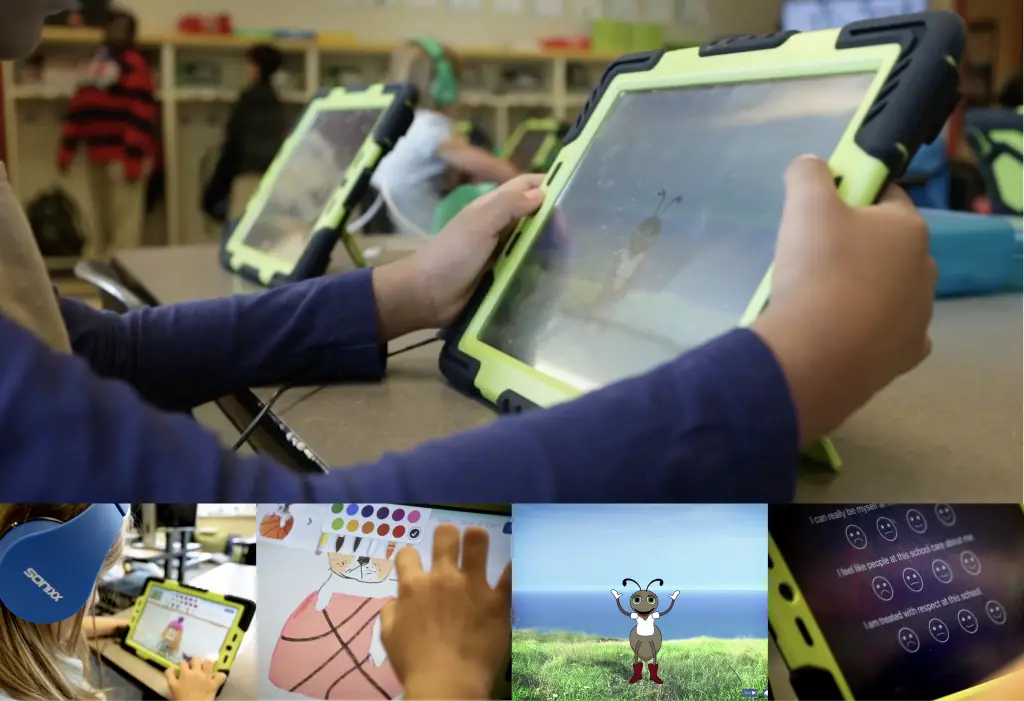
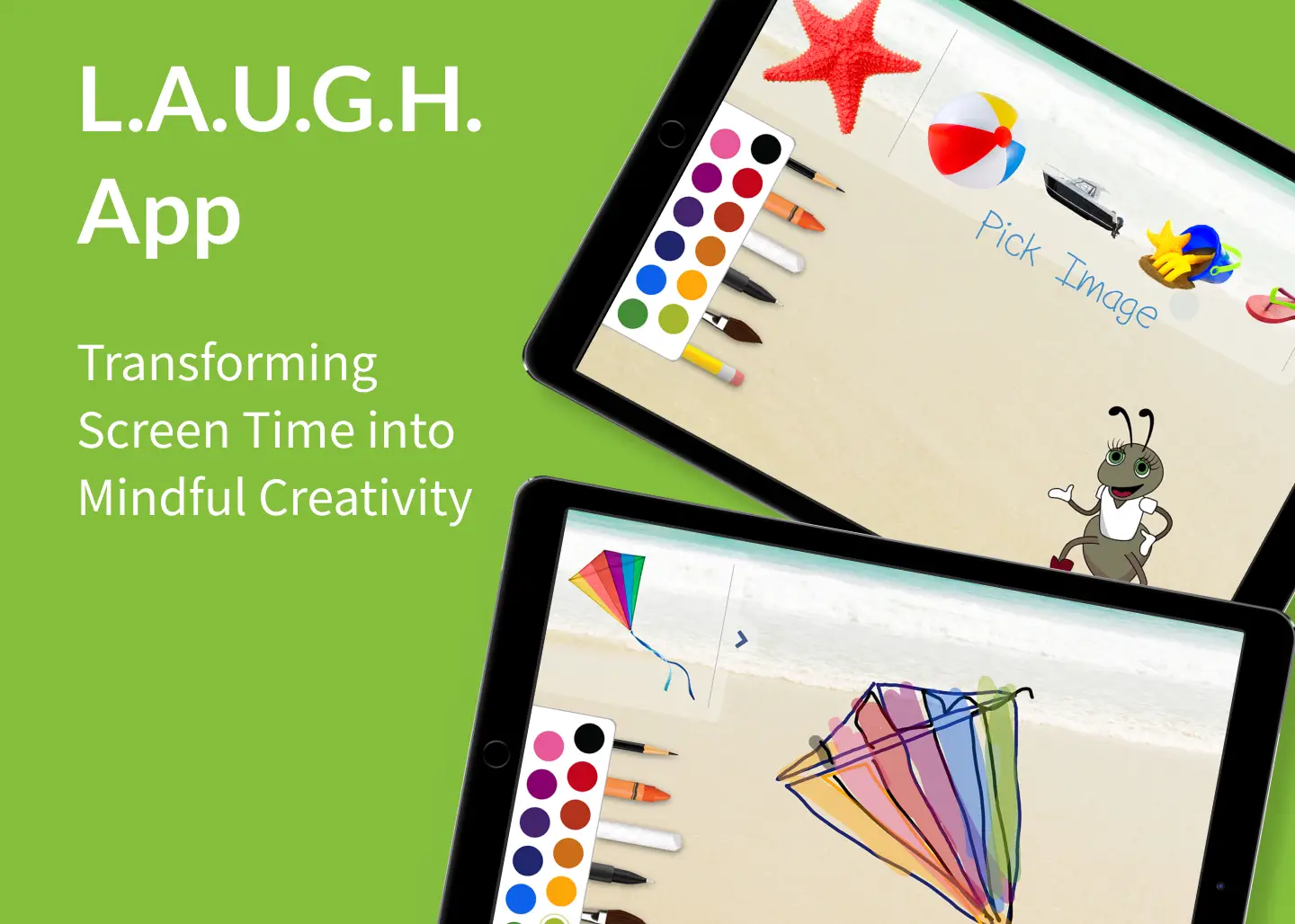
In an effort to combat rising anxiety, depression, and aggression among inner-city elementary school students, the Catherine Mayer Foundation partnered with Madrona Elementary, the University of Washington, and UpTop to pilot an innovative program. At the heart of this initiative was the L.A.U.G.H.® App—a mindfulness-based iPad application blending art, breathing, music, and movement to help children self-regulate, focus, and express themselves creatively.

The pilot program was launched with the hope that integrating mindfulness into the school day could improve classroom behavior, emotional well-being, and learning engagement in meaningful ways.
Challenges

From the outset, logistical and bureaucratic hurdles loomed large. The project faced:
  • Technological red tape within the Seattle Public School system
  • A complex school facility layout not conducive to tech implementation
  • Scalability issues with Apple’s TestFlight for app distribution
These issues threatened to derail the timeline and success of the pilot program.

Partnership Info

client
Partnership with the Catherine Mayer Foundation and Madrona Elementary School
Industry
Non-Profit Arts & Cultural
type
Mobile App (Mindfulness & Education)
services
UX Design, Visual Design, UX Consulting & Strategy, Infrastructure Development, Prototype

Partnership Info

client
Partnership with the Catherine Mayer Foundation and Madrona Elementary School
Industry
Non-Profit Arts & Cultural
type
Mobile App (Mindfulness & Education)
services
UX Design, Visual Design, UX Consulting & Strategy, Infrastructure Development, Prototype

Background

In an effort to combat rising anxiety, depression, and aggression among inner-city elementary school students, the Catherine Mayer Foundation partnered with Madrona Elementary, the University of Washington, and UpTop to pilot an innovative program. At the heart of this initiative was the L.A.U.G.H.® App—a mindfulness-based iPad application blending art, breathing, music, and movement to help children self-regulate, focus, and express themselves creatively.

The pilot program was launched with the hope that integrating mindfulness into the school day could improve classroom behavior, emotional well-being, and learning engagement in meaningful ways.
Challenges

From the outset, logistical and bureaucratic hurdles loomed large. The project faced:
  • Technological red tape within the Seattle Public School system
  • A complex school facility layout not conducive to tech implementation
  • Scalability issues with Apple’s TestFlight for app distribution
These issues threatened to derail the timeline and success of the pilot program.
... Yes, I was skeptical, but now I am a believer. I absolutely believe in this app, and I’ve seen the progress in our student behavior.”
– Mary McDaniel, Principal at Madrona Elementary School

Approach

UpTop reimagined both the UX and technical infrastructure behind the app to enable the pilot's success. Initially planning to leverage the school’s network, the team pivoted when delays became untenable.

A spontaneous suggestion—“Why don’t we just set up our own network?”—sparked a rapid exploration and implementation of a dedicated, private IT infrastructure within the school. This empowered the team to:
  • Bypass delays from district IT
  • Remotely manage app updates
  • Store student-generated art and mood data securely in the cloud

Solution

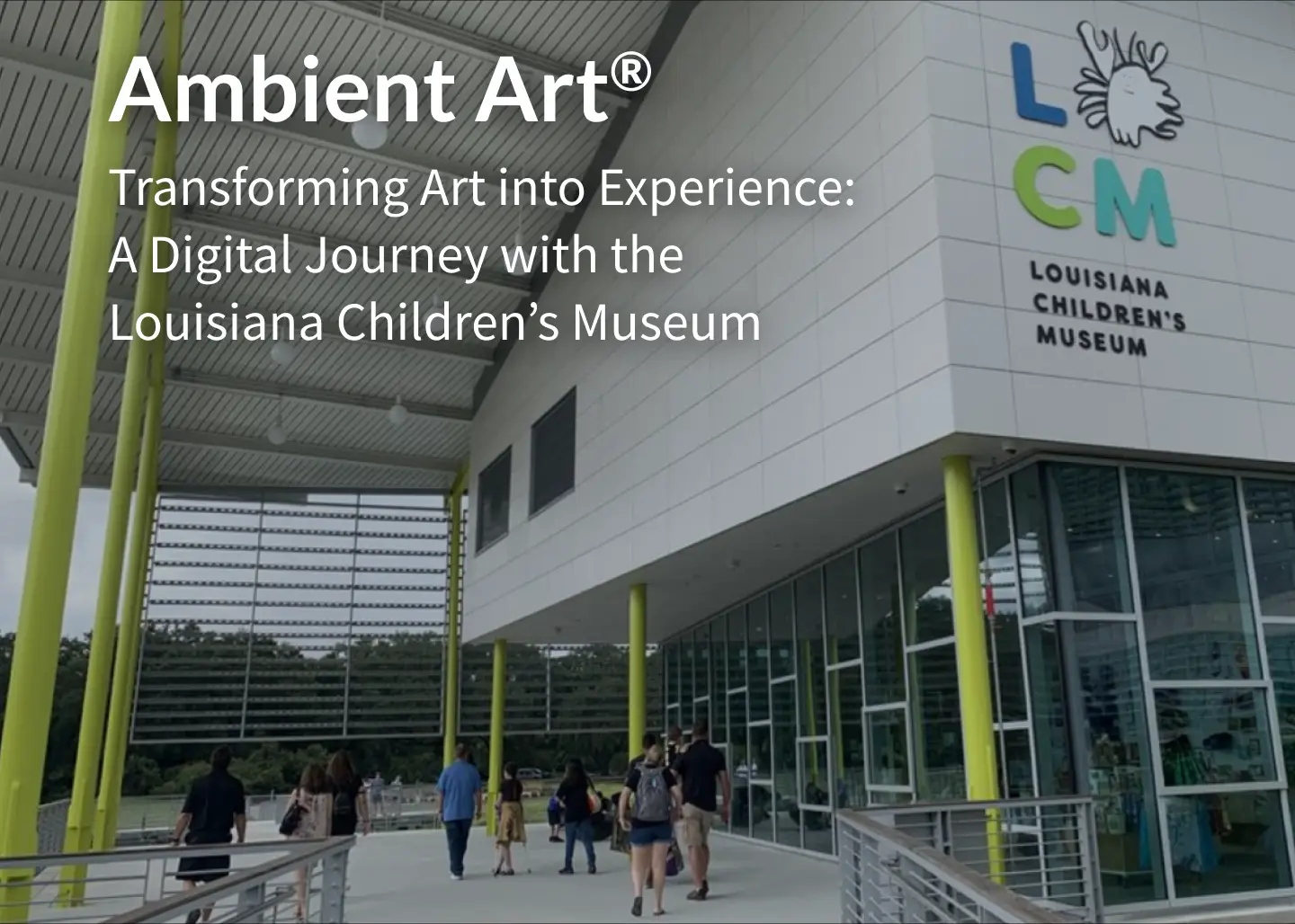
UpTop not only re-architected the app to support social sharing and classroom display (via AmbientArt™), but also built the infrastructure necessary for a reliable and private tech ecosystem within the school.

Students began each session by identifying their mood, engaged in breathing and drawing exercises, and finished by re-rating their mood and answering questions about school connectedness and joy in learning. Their artwork was streamed on screens throughout the school to reinforce positive emotional states and creative pride.
  • Conducted a full accessibility and inclusion audit, producing actionable UX recommendations for F5.com and associated sites like DevCentral and NGINX
  • Redesigned the NGINX.com site to prioritize developer experience with modern, responsive UI
  • Created an interim integration of Volterra into F5.com to maintain brand consistency
  • Defined and prototyped a unified navigation system for F5’s digital ecosystem Led envisioning and design efforts to centralize and personalize the user experience across web properties, tailoring paths for key personas
  • Partnered in live user testing at F5's AppWorld event to collect real-time feedback on IA/navigation structures 

Results & Impact

The outcomes were both scientifically measurable and emotionally powerful:

Year 1 Results (2017–18):
  • 95.6% engagement across sessions
  • Significant mood improvements tied to session frequency (e.g., +1.55 pts for 45 sessions)
  • Increased sense of school connectedness and joy of learning, especially in African American and Latinx students
  • 93% of students described the program with positive emotional language
Year 2 Results (2018–19):
  • Expanded to K–5 with 243 participants and 1,693 total sessions
  • 19.2% increase in school connectedness and +18.7% in joy of learning when students felt they belonged Teachers reported calmer, more cooperative classrooms and requested permanent program inclusion
The L.A.U.G.H. TIME program not only validated Catherine Mayer’s original vision but also showcased how thoughtfully designed technology and UX can spark systemic change in education. The collaboration led to continued studies and opened discussions to scale the program district-wide.

Related Case Studies

Related Case Studies

Let’s Build What’s Next. Together.
From creating innovative new products to elevating existing experiences, UpTop is ready to help you make it happen.